


Comprehensive Shoulder Pain Solutions: Effective Approaches for Recovery
Shoulder pain is a common complaint among athletes, weekend warriors, and active elderly individuals. The shoulder joint, known for its remarkable range of motion, is also susceptible to various injuries and degenerative conditions. Addressing shoulder pain effectively requires a comprehensive understanding of its causes and the available treatment modalities. This article explores a range of shoulder pain solutions, emphasizing evidence-based approaches that facilitate recovery and restore function.
Understanding Shoulder Pain Solutions: An Overview
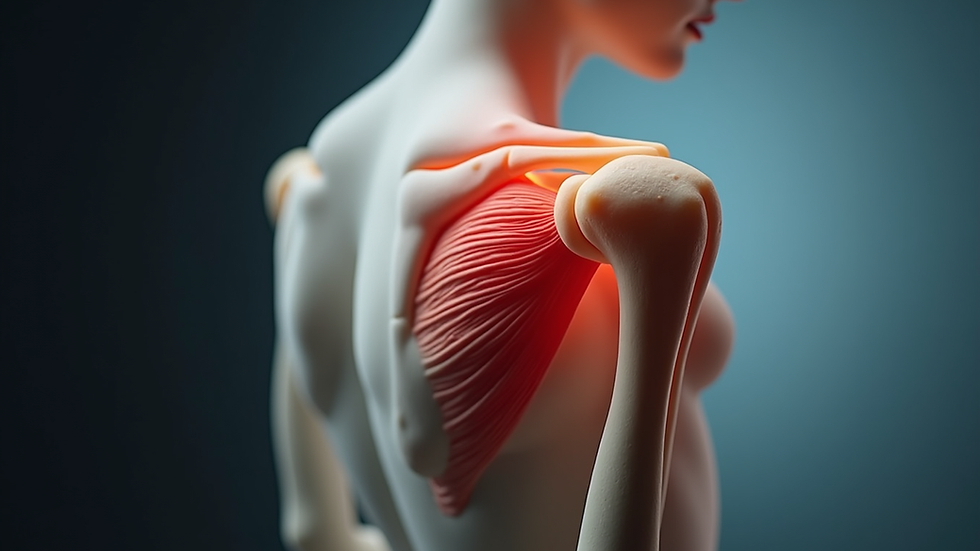
The shoulder is a complex structure composed of bones, muscles, tendons, ligaments, and bursae. Pain may arise from any of these components due to trauma, overuse, or degenerative changes. Common conditions include rotator cuff tears, impingement syndrome, frozen shoulder (adhesive capsulitis), and osteoarthritis.
Effective shoulder pain solutions often begin with accurate diagnosis, followed by tailored treatment plans. These plans may incorporate conservative measures such as physical therapy, pharmacologic interventions, and lifestyle modifications. In cases where conservative management fails, surgical options may be considered.
Conservative Management Strategies
Conservative treatment remains the first line of defense against shoulder pain. It aims to reduce inflammation, alleviate pain, and restore mobility. Key components include:
Physical Therapy: Customized exercise programs focus on strengthening the rotator cuff and scapular stabilizers. Stretching exercises improve flexibility and reduce stiffness.
Pharmacologic Treatment: Nonsteroidal anti-inflammatory drugs (NSAIDs) are commonly prescribed to manage pain and inflammation.
Activity Modification: Avoiding activities that exacerbate symptoms is crucial. Ergonomic adjustments and proper technique during sports or daily activities can prevent further injury.
Cold and Heat Therapy: Application of ice packs reduces acute inflammation, while heat therapy promotes blood flow and muscle relaxation.
These interventions often yield significant improvement within weeks, especially when adherence to therapy is consistent.
How to Tell if Shoulder Pain Is Muscular or Joint?
Differentiating between muscular and joint-related shoulder pain is essential for selecting appropriate treatment. Muscular pain typically originates from strain or overuse of the shoulder girdle muscles, whereas joint pain arises from intra-articular structures such as cartilage, labrum, or the joint capsule.
Characteristics of Muscular Pain:
Dull, aching sensation localized to muscle belly or tendon insertions.
Pain worsens with specific movements or muscle contraction.
Tenderness upon palpation of affected muscles.
Improvement with rest and stretching.
Characteristics of Joint Pain:
Deep, sharp, or stabbing pain within the shoulder joint.
Limited range of motion, often accompanied by stiffness.
Pain during passive movement or at rest.
Possible swelling or crepitus (a grinding sensation).
Clinical examination and imaging studies such as MRI or ultrasound assist in confirming the diagnosis. Understanding the pain origin guides the choice of treatment modalities.

Advanced Non-Operative Shoulder Pain Solutions
For individuals who do not respond adequately to initial conservative measures, advanced non-operative treatments may be employed. These include:
Corticosteroid Injections: Administered into the subacromial space or glenohumeral joint to reduce inflammation and provide temporary pain relief.
Platelet-Rich Plasma (PRP) Therapy: Utilizes autologous blood components to promote tissue healing, particularly in tendinopathies.
Extracorporeal Shockwave Therapy (ESWT): A non-invasive technique that stimulates tissue regeneration and reduces pain.
Bracing and Support: Specialized shoulder braces can provide stability and limit harmful movements during recovery.
These options are often integrated with ongoing physical therapy to maximize functional outcomes.
Surgical Interventions: When and What to Consider
Surgery is reserved for cases where non-operative treatments fail or when structural damage necessitates repair. Common surgical procedures include:
Arthroscopic Rotator Cuff Repair: Minimally invasive technique to reattach torn tendons.
Shoulder Arthroscopy for Impingement or Labral Tears: Removal of inflamed tissue or repair of labral lesions.
Shoulder Replacement (Arthroplasty): Indicated in severe osteoarthritis or irreparable rotator cuff damage.
Capsular Release: Performed in frozen shoulder to restore range of motion.
Postoperative rehabilitation is critical to ensure successful recovery. The choice of procedure depends on patient age, activity level, and specific pathology.
Maintaining Shoulder Health: Preventive Measures and Lifestyle Tips
Prevention plays a pivotal role in minimizing the risk of shoulder injuries and chronic pain. Recommendations include:
Regular Strengthening Exercises: Focus on rotator cuff and scapular muscles to enhance joint stability.
Proper Warm-Up and Cool-Down: Essential before and after physical activity to prepare muscles and tendons.
Ergonomic Adjustments: Correct posture and workstation setup reduce undue stress on the shoulder.
Gradual Progression of Activity Intensity: Avoid sudden increases in training load to prevent overuse injuries.
Adequate Rest and Recovery: Allow time for tissue repair between strenuous activities.
Adopting these practices supports long-term shoulder function and reduces the likelihood of recurrent pain.
In summary, a spectrum of shoulder pain solutions exists, ranging from conservative therapies to advanced surgical interventions. The selection of appropriate treatment depends on accurate diagnosis, severity of symptoms, and individual patient factors. By integrating evidence-based approaches, it is possible to achieve significant pain relief and restore active lifestyles.
For those seeking detailed information on shoulder pain treatment options, consulting with a specialized orthopaedic sports surgeon is advisable. Expert guidance ensures personalized care tailored to specific needs and goals.


Comments